How aesthetic clinics and medspas turn Instagram into booked consultations: why clinics lose patients in the DMs, the inquiry-to-booking flow that fixes it, bilingual DMs, and the content that actually drives inquiries.
For an aesthetic clinic, Instagram is a patient-acquisition channel, and the money is made in the DMs. Before-and-after Reels and content pull people in, but the actual booking happens when a prospective patient sends a DM asking about a treatment or a price, and that is exactly where most clinics lose them. The clinic that replies first usually books the consult, and the window is minutes, not hours, so slow or after-hours replies leak patients straight to a competitor. The fix is a DM flow that answers in seconds, qualifies the inquiry, sends a booking link, and routes only serious leads to your team, in the patient's own language if your market is bilingual. This guide covers why clinics lose patients in the DMs, the inquiry-to-booking flow that fixes it, bilingual DMs, and the content that drives inquiries.
Instagram is one of the strongest patient-acquisition channels an aesthetic clinic has, because your work is visual and your ideal patients are already there, scrolling before-and-afters and comparing clinics before they ever call. But there is a gap between attention and a booked consult, and it is worth being clear about where the booking actually happens. Content, before-and-afters, treatment Reels, educational posts, does the top of the job: it builds trust and makes people curious enough to reach out. The booking itself happens in the DMs, when a prospective patient messages to ask what a treatment costs, whether they are a candidate, or how to book. That conversation is the most valuable thing on your Instagram, and it is also the thing most clinics handle worst. Get the DMs right and Instagram becomes a steady source of booked consultations rather than just likes on your latest result. This is lead generation for a clinic, and the DM is where it lives.
Here is the uncomfortable math. When a prospective patient DMs several clinics about the same treatment, the one that replies first almost always books the consult, and industry data puts that first-responder window at five to fifteen minutes. A busy front desk cannot hit that consistently during clinic hours, and it cannot hit it at all after hours, which is a problem because 30 to 50% of inbound DMs arrive when the clinic is closed. Those after-hours inquiries do not wait politely until morning, they book with whoever answers, or they cool off and never rebook. Every one of them was a high-value consult, so the cost of a slow inbox is not a missed message, it is a missed patient, over and over. And it is invisible: you never see the patient who messaged at 9pm and booked elsewhere by the time you opened Instagram at 9am. The clinics that win on Instagram are simply the ones that answer first, every time, and that is not a staffing problem you can solve by hiring, it is a response-speed problem you solve with a system.
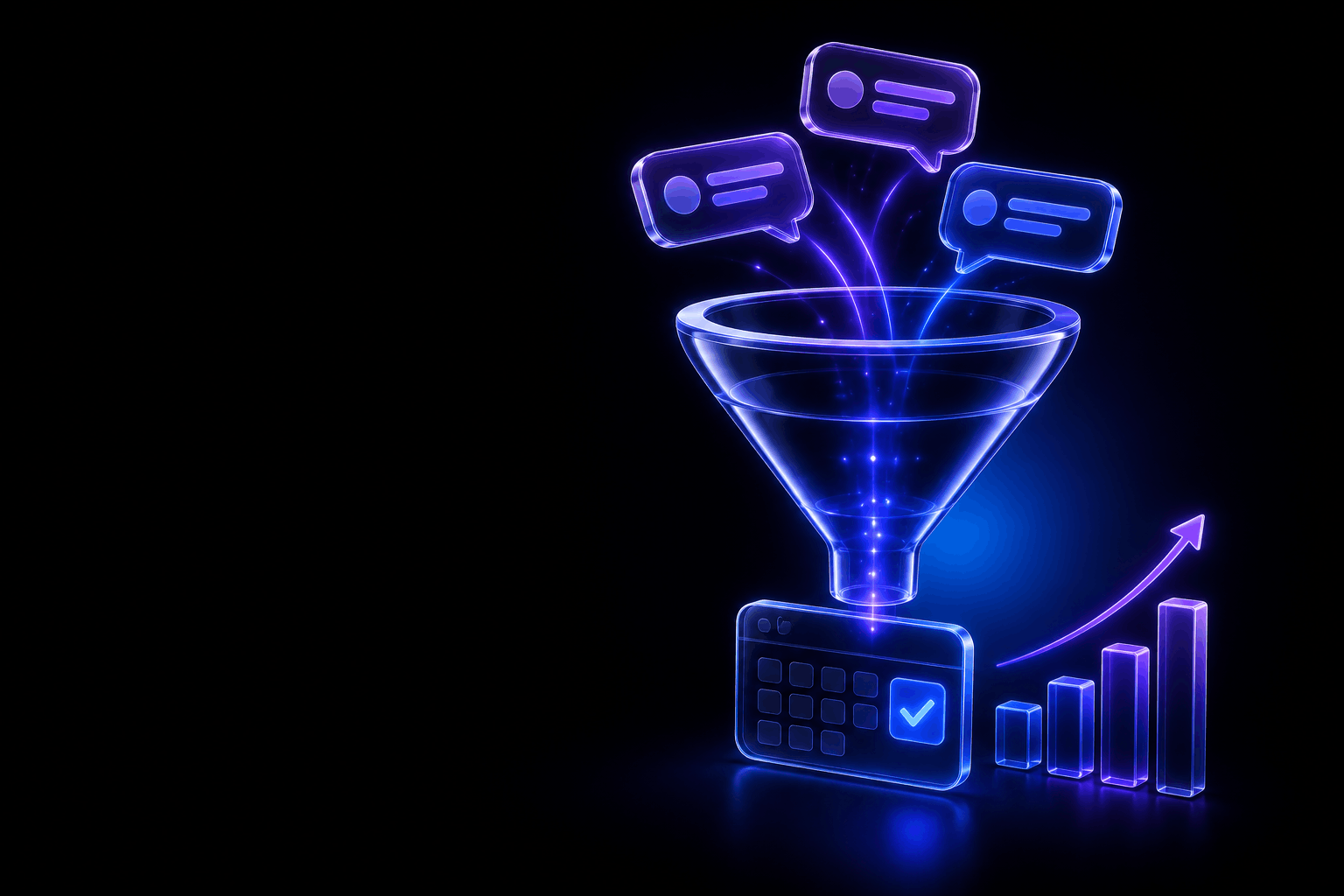
The fix is a DM flow that turns an inquiry into a booked consult without a team member having to catch it in real time.
| Step | What happens | Why it matters |
|---|---|---|
| Instant reply | A DM or comment is answered in seconds | The clinic that replies first usually books the consult |
| Qualify | Ask the treatment, timing, and key details | The front desk only sees serious inquiries |
| Book | Send the booking link or available times | The patient books while their intent is high |
| Route | The qualified lead lands in your CRM | No patient gets lost in a busy inbox |
What makes this work for a clinic specifically is that the qualification happens before your team is involved. An AI agent trained on your treatments, pricing ranges, and tone can answer the common questions, ask what the patient is interested in and when, and qualify the inquiry, so instead of your front desk wading through every 'how much is filler' message, they only ever see consults that are ready to book, routed into your system. This is the same inquiry-to-booking funnel any high-value service uses, tuned for aesthetic clinics. This is how one clinic turned around a thousand Instagram DMs into roughly five hundred qualified consultations in two weeks, by answering and qualifying every inquiry instantly instead of letting the inbox pile up.
If your clinic is in a bilingual market, Miami, Los Angeles, Houston, New York, London, the Gulf, this is quietly one of the biggest leaks you have. A meaningful share of your inbound DMs arrive in a language your front desk does not answer in real time, and those patients get one of two bad experiences: an English reply they abandon, or a wait of hours for a bilingual team member, by which point they have booked elsewhere. The fix is language detection at the message level: the system reads what language a patient messaged in and runs the entire conversation, the answers, the qualification, the follow-up, in that language automatically. A patient who messages in Spanish gets a fluent Spanish conversation and a booking, not a stilted reply or silence. For a clinic serving a mixed-language patient base, this alone can recover a large block of inquiries that were previously leaking, and it does it without hiring a bilingual receptionist for every shift.
None of the DM machinery matters without inquiries coming in, and for aesthetics the content that drives them is well established. Before-and-afters are your most persuasive asset, patients are far more likely to book after seeing several real results, so show them consistently with standardized lighting and, where you can, the patient's story. Reels are your reach, they out-perform static posts for aesthetics and are what the algorithm shows to new local patients, so post them a few times a week alongside educational content that positions you as the expert. Then connect the content to the DMs: a Reel or a before-and-after with a hook like 'comment BOOK for our consultation link' turns a viewer into an inquiry through a comment-to-DM flow, and a single well-aligned Reel can produce a hundred or more qualified leads. Two cautions specific to this field. Keep it tasteful and compliant: avoid idealized-outcome claims and the kind of language Meta's health and aesthetic advertising rules flag, and never promise a specific result. And put your booking path in your Highlights, a 'Before & Afters', a 'Reviews', a 'Book' Highlight, so a patient who lands on your profile can find the way in. For the mechanics of getting Reels seen, the Reels guide goes deeper.
Through visual content that drives inquiries and a DM system that converts them. Before-and-after Reels and educational posts build trust and get people to message, and the booking happens in the DMs when a patient asks about a treatment or price. The clinics that do best answer those inquiries instantly, qualify them, and send a booking link.
Speed. When a patient DMs several clinics, the first to reply usually books the consult, and the window is five to fifteen minutes. A front desk can't hit that consistently, and 30 to 50% of inquiries arrive after hours when no one is answering. Those high-value patients book with whoever replies first, so a slow inbox quietly loses consults every week.
Yes, using a tool on Instagram's official API with an AI agent trained on your clinic's treatments and tone. It replies in seconds, answers common questions, qualifies the inquiry, sends a booking link, and routes serious leads to your team, so the front desk only handles ready-to-book consults. Keep medical claims accurate and let a human handle anything clinical.
Yes. Good clinic automation detects the language a patient messages in and runs the whole conversation, answers, qualification, and follow-up, in that language. For clinics in bilingual markets like Miami or LA, this recovers a large share of inquiries that would otherwise get an abandoned English reply or wait hours for a bilingual staff member.
Before-and-afters, Reels, and educational content, with promotion kept light. Before-and-afters are the most persuasive, since patients are far more likely to book after seeing several real results, and Reels drive reach. Show results consistently, position yourself as the expert, keep it tasteful and within Meta's health advertising rules, and add a comment-to-DM hook so content turns into inquiries.
As fast as possible, ideally within minutes. Industry data puts the first-responder window at five to fifteen minutes, and the clinic that replies first usually wins the booking. Since you can't staff that around the clock, an automated first reply that answers and qualifies instantly is what keeps you in the running for every inquiry, including the after-hours ones.
Attract more leads, target them with DM marketing, and automate all your interactions on Instagram!